
About Our Network
_______________________________________________________________________________
World Cup Watch is an emergent collective of community-based academics, organizers, and community members critically interrogating the impacts of FIFA on host cities and building a virtual archive/platform for communities to share resources, document harms, and coordinate collective action. If you, too, are concerned about FWC26-related harms in your community and share our commitments, we invite you to contribute to the communal platform through grounded insights, research, and organizing efforts across a range of formats, including short or long-form written pieces (blog posts, essays, reflections); interviews with organizers, workers, or community members; maps (GIS-based or otherwise) documenting spatial and infrastructural impacts; visual materials (photography, illustrations, data visualizations, artwork, memes); and/or audio or video projects. Check out our Call for Contributions and Collaborations (in EN/ES) here!
▼Coordinating Committee
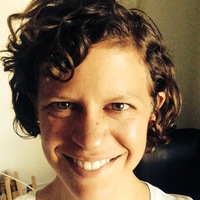
Carolyn Prouse
Carolyn Prouse is an Associate Professor in Geography and Planning at Queen’s University in Katarokwi/Kingston, Canada. Her past research examines how sport mega events in South Africa and Brazil exacerbate racialized violence through land dispossession and policing apparatuses. More recently, Carolyn has been working with collaborators, including students, to chart the technofascist futures of health surveillance, big data policing, and biometric surveillance in North America.
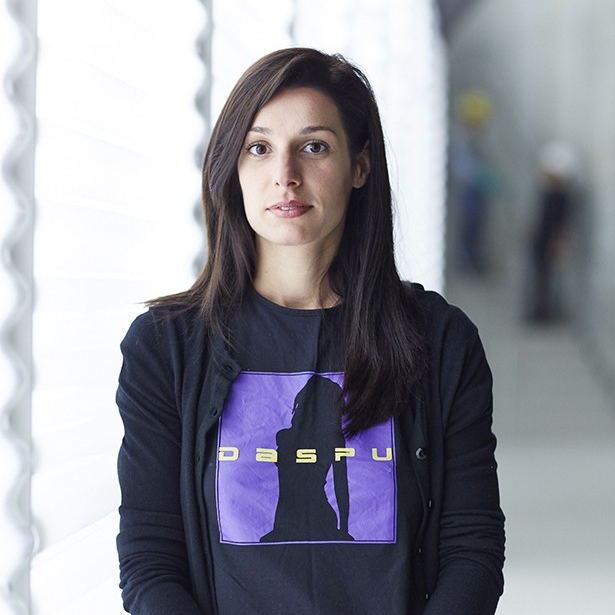
Amanda De Lisio
Amanda De Lisio is an Assistant Professor in the Faculty of Health, an Executive Member of the CITY Institute, and Co-Director of the Critical Trafficking and Sex Work Studies Research Cluster at York University. She is the author of Play Naked: Puta Economies Against Olympic Dispossession and the translator and editor of Putafeminista by Monique Prada and So What If I’m a Puta by Amara Moira (with Bruna Dantas Lobato). She organizes alongside and co-leads research teams that investigate anti-trafficking policing, security practices, and event urbanism in FIFA, Olympic, and Super Bowl host cities.
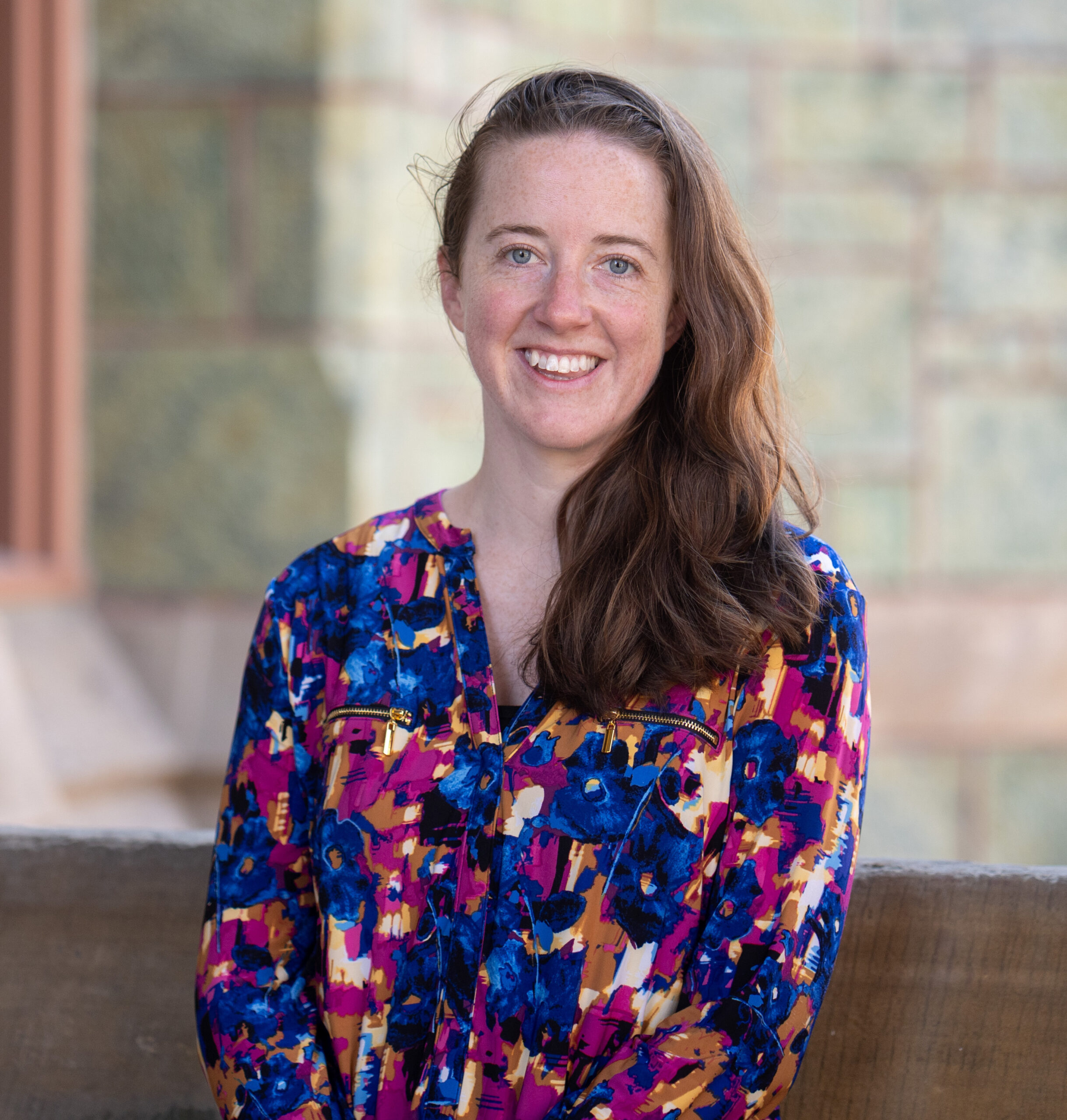
Cerianne Robertson
Cerianne Robertson is an Assistant Professor in Fordham University’s Department of Communication and Media Studies. Her research explores spectacular urban development projects like stadiums, spectacular media events like the Olympics and FIFA World Cup, and everyday struggles for survival and dignity in the context of increasingly unaffordable cities. She also organizes with the NOlympics LA coalition, a group of 40+ community organizations that oppose the Olympics coming to Los Angeles in 2028.
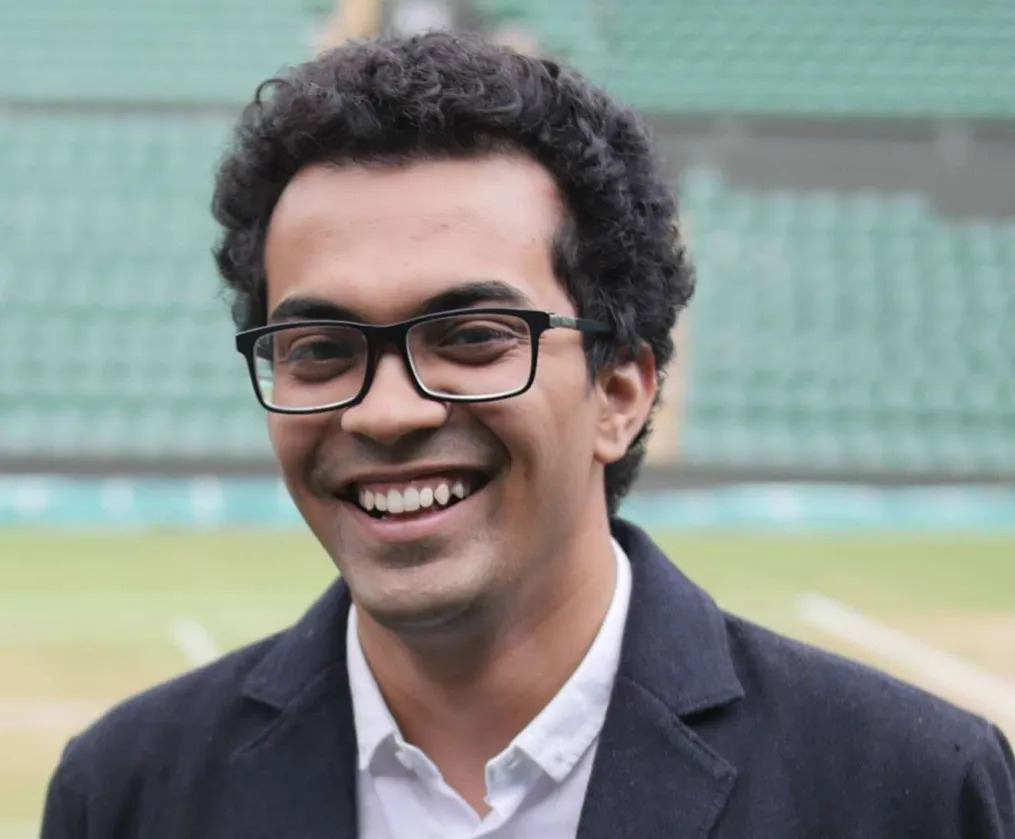
Priyansh
A doctoral candidate at the University of Toronto, Priyansh’s work investigates patterns of state-capital relations in the organisation of sports mega-events. He is particularly interested in charting the development of international sporting spectacles as seen from the Global South, especially to situate these events within the broader study of capitalist social relations. Priyansh’s PhD dissertation examines sports mega-events in New Delhi from India’s independence in 1947 to the present day.
▼Contributors
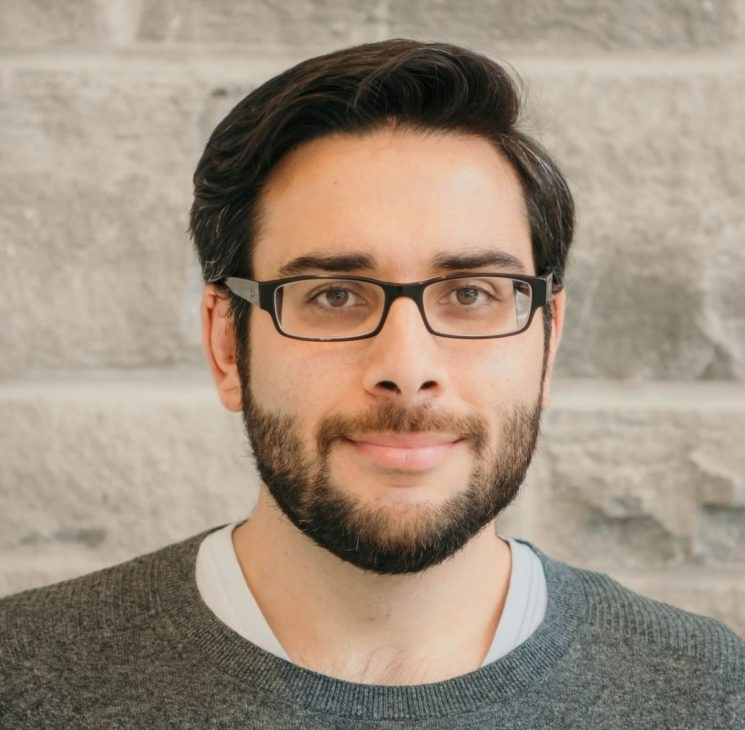
Adam Ali
Adam Ali’s research focuses on the impact of sport mega-events on environmental and community-based forms of sustainability. His work has traced this relationship by interrogating the “sustainability promises” of international sport entities like the International Olympic Committee and FIFA and illuminating the contradictions between these promises and the material realities of sport events for communities on the margins.
Monika Streule
Monika Streule is a professor in social anthropology at Universidad Iberoamericana in Mexico City. Her current project, City in Play, ethnographically examines the megaprojects linked to the 2026 FIFA World Cup and the urban, environmental, and socioterritorial conflicts they generate. She focuses especially on struggles over land, water, and public space, as well as the collective forms of resistance that emerge against urban extractivism.
And more!
Join us by emailing contact @ 2026worldcupwatch.org
[you may choose to remain anonymous to the public if you desire]